
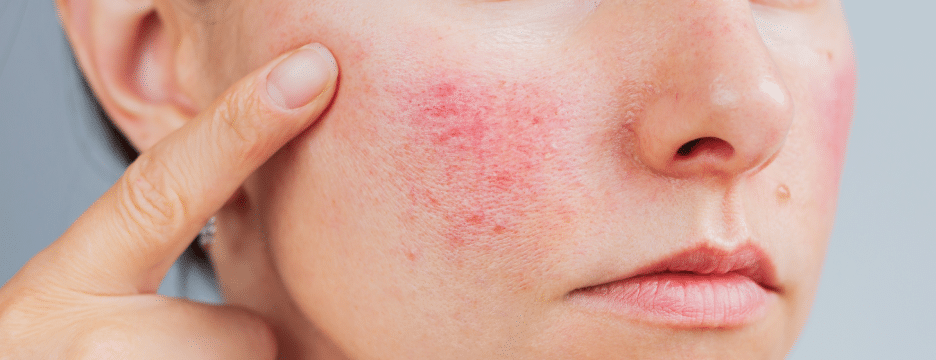
If you have been searching for answers to your rosacea treatment questions, you are in good company. Rosacea is one of the most common skin concerns Dr. Jessica Krant sees at Art of Dermatology at the Laser & Skin Surgery Center of New York, and it is also one of the most misunderstood. Many people spend years attributing their redness, flushing, and visible blood vessels to sensitive skin or sun damage before realizing they are dealing with a distinct, manageable condition. And on the flip side, many people are told or decide their facial redness is caused by “rosacea” when in fact, it is actually caused by something else, which is possibly even more easily treated. This blog is designed to answer the questions patients ask most often, from what rosacea actually is to which treatment approaches may help reduce its appearance. To speak with Dr. Krant directly in person, fill out her online contact form.
What Is Rosacea and Why Does It Happen?
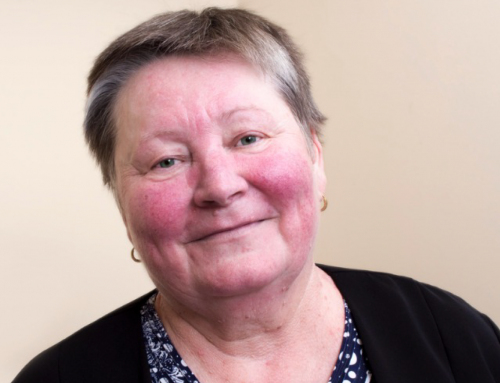
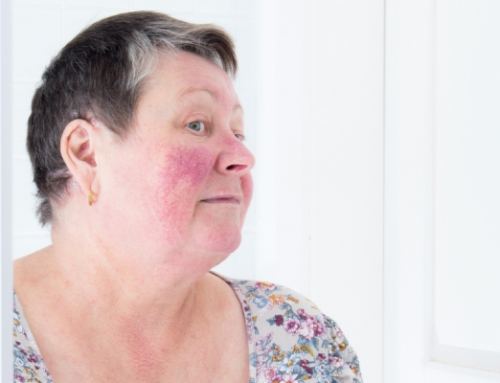
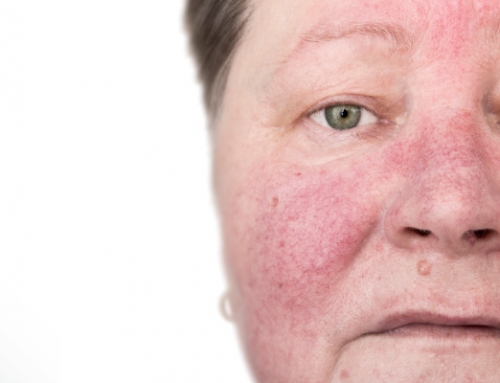
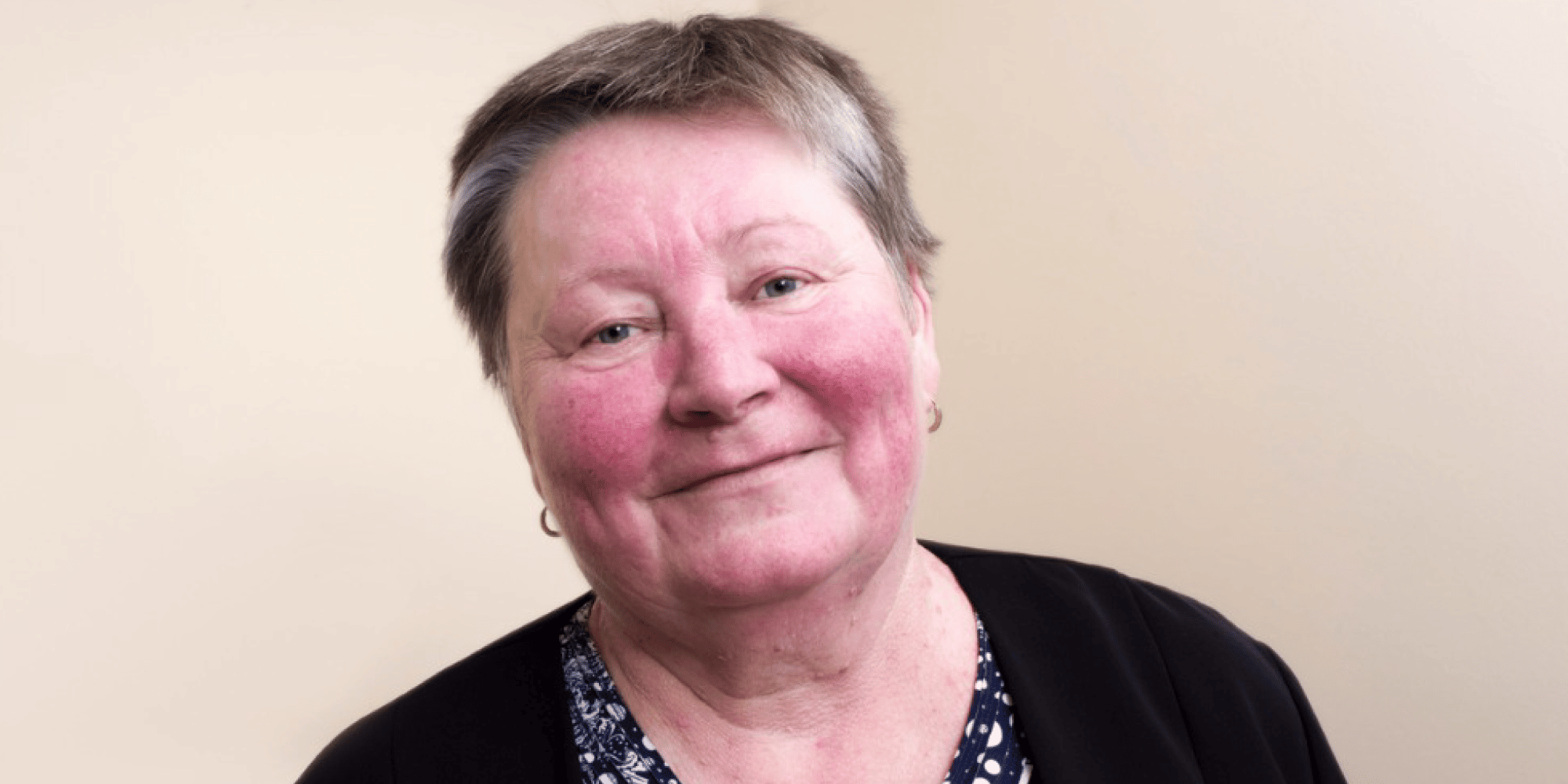
Rosacea is a chronic inflammatory skin condition that primarily affects the central face, most often the cheeks, nose, chin, and forehead. It tends to appear in cycles, with periods of flare and relative calm. The skin may look persistently red, feel warm or irritated, and develop visible blood vessels just beneath the surface after years of background redness. In some cases, small bumps resembling acne may also develop, which is one reason rosacea is frequently confused with other conditions and left unaddressed for too long.
The exact causes of rosacea are still being studied, but research suggests a combination of genetic predisposition, immune system responses, and environmental triggers. Common triggers that may worsen symptoms include sun exposure, temperature extremes, spicy foods, alcohol, stress, gut disturbances, and certain skincare products with harsh ingredients. Identifying personal triggers is a meaningful first step in managing flares.
Who Is Most Likely to Develop Rosacea?
Rosacea most commonly appears in adults between the ages of 30 and 60, and it tends to be more visible in people with fairer skin tones, though it occurs across all skin types. A family history of rosacea may also increase the likelihood of developing it. Because rosacea is a progressive condition for many people, early evaluation and a thoughtful management plan can help slow its progression over time.
Dr. Krant’s integrative approach to dermatology, which incorporates lifestyle medicine and nutrition alongside clinical treatment, is especially well-suited to rosacea care. Lifestyle factors genuinely influence inflammatory skin conditions, and she takes that connection seriously.
What Rosacea Treatment Options May Help Reduce Symptoms?
The honest answer is that management is highly individualized. What works well for one person may not be the right fit for another, which is why a thorough evaluation with a board-certified dermatologist is the essential starting point. That said, there are several well-established approaches that may help reduce the appearance of redness, visible vessels, skin texture concerns, and the sensitivity or itchiness commonly associated with rosacea.
Laser and Light-Based Treatments
For many patients, laser and light-based therapies are among the most effective tools for addressing visible blood vessels and persistent facial redness. VBeam® laser treatments use a pulsed dye laser (PDL) specifically designed to target the hemoglobin in blood vessels, which may help reduce redness and the appearance of broken capillaries without affecting the surrounding skin. Similarly, Intense Pulsed Light (IPL) therapy delivers broad-spectrum light that may help address diffuse redness and uneven skin tone associated with rosacea.
Topical and Oral Approaches
Depending on the subtype and severity of rosacea, topical or oral prescription medications or oral or topical medical-grade skin care products may help manage inflammatory bumps, persistent redness, and skin sensitivity. A dermatologist evaluation is necessary to determine which options are appropriate, and Dr. Krant provides that level of personalized, medically grounded guidance.
Chemical Peels and Skin Refinement
For some patients, carefully selected chemical peels may be incorporated into a broader rosacea management plan to support skin texture and tone. Not all peels are appropriate for rosacea-prone skin, which is precisely why professional oversight matters.
Ongoing Rosacea Management in New York?
Rosacea is typically a long-term condition, which means management is an ongoing conversation rather than a single appointment. The goal is not just to address current symptoms but to build a sustainable plan that helps minimize flares, protect skin health, and maintain results over time. For New Yorkers, that plan has to account for year-round environmental stressors: harsh winter cold, summer heat and humidity, and the general pace of city life, all of which can be rosacea triggers.
Consistent sun protection is one of the most universally recommended strategies for rosacea management, as heat and UV exposure are well-documented triggers for many patients. A gentle, non-irritating skincare routine also plays a meaningful role.
The Role of Lifestyle Medicine in Rosacea Care
Dr. Krant holds board certification in Lifestyle Medicine from the American Board of Lifestyle Medicine, a credential that reflects a genuine commitment to understanding how diet, stress, sleep, and daily habits influence skin health. For rosacea patients, this perspective opens the door to a more comprehensive care plan that goes beyond prescriptions alone. Identifying dietary and lifestyle triggers, managing stress responses, and building sustainable habits may all contribute to fewer and less severe flares over time.
For patients curious about the full range of approaches available, laser skin rejuvenation options and other cosmetic services can be discussed during a consultation to determine what combination of treatments may be most beneficial for each individual’s skin.
Why Choose Art of Dermatology at the Laser & Skin Surgery Center of New York?
Dr. Jessica Krant, MD, MPH, brings more than two decades of experience in cosmetic, laser, surgical, and medical dermatology to every patient she sees in New York. As a Fellow of the American Academy of Dermatology, a Fellow of the American Society for Dermatologic Surgery, and a recognized New York Magazine Top Doctor and Castle Connolly Metro Area Top Doctor, Dr. Krant combines clinical rigor with a genuine warmth that patients consistently notice. Her 24-plus years as Assistant Clinical Professor of Dermatology at SUNY Downstate Medical Center, where residents themselves chose her for the Dermatology Teaching Award, reflects a depth of knowledge that informs every treatment decision at Art of Dermatology at the Laser & Skin Surgery Center of New York. For rosacea patients specifically, her integrated approach, spanning laser treatments, lifestyle medicine, and personalized skincare guidance, means care that addresses the whole picture, not just the surface.
Frequently Asked Questions About Rosacea Treatment
Is rosacea the same as acne?
Rosacea and acne are distinct conditions, though they can look similar. Rosacea involves chronic redness, flushing, and visible blood vessels, and it may produce small bumps that resemble acne. However, the underlying causes and treatment approaches differ significantly. A board-certified dermatologist can help distinguish between the two and recommend an appropriate plan. To schedule an evaluation at Art of Dermatology at the Laser & Skin Surgery Center of New York, fill out the online contact form.
How many laser treatments are typically needed to see results?
The number of treatments varies based on the severity of redness, the number of visible vessels, and each patient’s individual skin response. Some patients notice meaningful improvement after one to two sessions, while others benefit from a series of treatments spaced several weeks to months apart. Individual results may vary, and Dr. Krant will outline realistic expectations during a thorough consultation at Art of Dermatology at the Laser & Skin Surgery Center of New York.
Can rosacea be managed without laser treatments?
Yes, for some patients, rosacea may be well-managed through prescription and OTC topicals, trigger avoidance, and consistent sun protection. Laser and light-based treatments are often recommended when visible blood vessels or persistent redness do not respond adequately to other approaches. The right plan depends on rosacea subtype, symptom severity, and personal goals, all of which are discussed during a consultation.
Are rosacea treatments in New York suitable for all skin tones?
Rosacea affects people across all skin tones, though it is more commonly recognized in lighter complexions. Some laser treatments require careful adjustment of settings based on skin tone to minimize the risk of pigmentary changes. Dr. Krant’s extensive experience in laser dermatology includes treating a diverse New York patient population, and treatment plans are always tailored to the individual’s specific skin characteristics and needs.
How do I know if I am a good candidate for rosacea treatment at Art of Dermatology?
The best way to determine candidacy is through a personal consultation with Dr. Krant. She will evaluate your skin, review your medical history, discuss your symptoms and triggers, and recommend a plan that aligns with your goals and skin health. Art of Dermatology at the Laser & Skin Surgery Center of New York welcomes patients from across New York City and the surrounding area.
Ready to Talk About Rosacea Treatment in New York?
If this rosacea treatment blog has answered most of your questions but left a few more personal concerns unaddressed, that is a good sign: it means you are ready for a conversation. Dr. Jessica Krant at Art of Dermatology at the Laser & Skin Surgery Center of New York welcomes patients from throughout New York City who are looking for thoughtful, personalized rosacea care. Schedule a consultation online today.

Jessica Krant, M.D., MPH, is a board-certified dermatologist with specialized experience in cosmetic, laser, surgical, and medical dermatology, but above all, Dr. Krant is most proud to be a caring, comprehensive physician who takes the time to listen and send her patients home with a smile.




Leave A Comment