

Skin cancer screening is one of the most important steps you can take for your long term health, and dermatologists in NYC recommend it every year for good reason. Skin cancer is the most commonly diagnosed cancer in the United States, yet when detected early, it is also among the most treatable. Whether you have a history of sun exposure, a family history of skin cancer, or simply want peace of mind, an annual full body skin exam gives a board certified dermatologist the opportunity to identify concerning changes before they become serious. Schedule your consultation with Dr. Jessica Krant to get started with your annual skin cancer screening.
What Happens During a Skin Cancer Screening
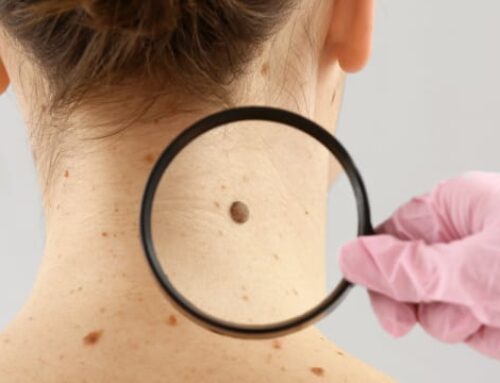
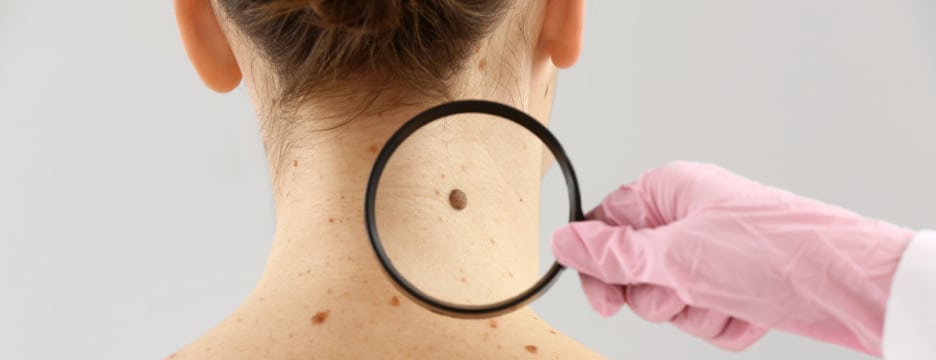
A skin cancer screening is a thorough, head-to-toe visual examination of the skin performed by a board certified dermatologist. The appointment is straightforward and, for most patients, completed in a single visit. During the exam, the dermatologist carefully evaluates moles, freckles, spots, lesions, and any areas of concern, using a dermatoscope, a specialized handheld tool that provides magnified views of surface and subsurface skin structures, for a closer look at certain spots.
What the Dermatologist Is Looking For
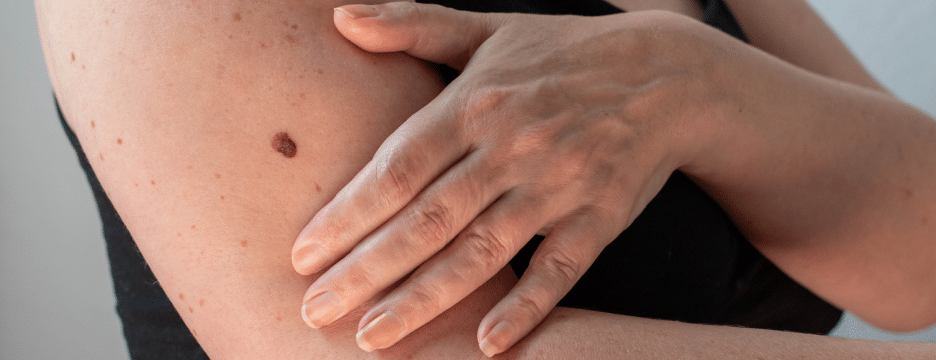
Dermatologists assess spots using criteria such as asymmetry, irregular borders, uneven color distribution, diameter, and changes over time. These factors help distinguish benign growths from those that may warrant closer attention or a biopsy. The three most common types of skin cancer are basal cell carcinoma, squamous cell carcinoma, and melanoma. Each presents differently, and the trained eye of an experienced dermatologist is essential for accurate evaluation.
When a Biopsy May Be Recommended
If a lesion appears suspicious during your skin cancer screening, the dermatologist may recommend a skin biopsy to obtain a tissue sample for laboratory analysis. This is a minor in-office procedure performed under local anesthesia. A biopsy is the only definitive way to diagnose skin cancer, and having it performed promptly means any necessary next steps, including treatment, can begin as early as possible. With Dr. Krant, patients can expect clear and kind communication at every stage of this process. Individual results and findings vary by patient.
Why Annual Skin Cancer Screening Matters in NYC
New Yorkers often assume that living in a northern city with cold winters reduces their skin cancer risk. In reality, UV radiation is present year-round, reflecting off glass, concrete, and snow. City dwellers also accumulate significant cumulative sun exposure through outdoor activities, rooftop gatherings, and travel to sunnier destinations throughout the year. Skin cancer can also just occur on its own, from genetic risk, childhood exposure, or other old injuries like burns or other scarring trauma.
The Role of Early Detection
Research consistently suggests that early detection is the single most important factor in improving outcomes for patients with skin cancer. When melanoma, the most serious form of skin cancer, is identified at an early stage, the five-year survival rate is substantially higher than when it is caught at a later stage, according to data from the American Cancer Society. Annual skin cancer screening creates a reliable baseline and allows your dermatologist to track changes in your skin over time, rather than evaluating each visit in isolation.
Who Should Prioritize Yearly Screenings
While annual skin cancer screening is beneficial for most adults, certain individuals may benefit from more frequent monitoring. These include people with a personal or close family history of skin cancer, those with fair skin, light eyes, or a history of significant sun exposure or tanning bed use, and individuals who have had numerous sunburns, particularly during childhood. Dr. Krant, who has served as an educator for the Skin Cancer Foundation, takes a personalized approach to screening frequency based on each patient’s individual risk profile.
Skin Cancer Screening and Your Complete Dermatology Care
A skin cancer screening can be an isolated appointment, or can be the foundation of a broader relationship with a dermatologist who knows your skin, your history, and your goals. At Art of Dermatology at the Laser & Skin Surgery Center of New York, Dr. Jessica Krant integrates medical dermatology with cosmetic and laser care when a patient is interested, recognizing that healthy skin and beautiful skin are not separate pursuits.
Combining Medical and Cosmetic Dermatology
Patients who come in for a skin cancer screening in NYC or Manhattan often use the visit as an opportunity to discuss other skin concerns. Some may be interested in laser skin rejuvenation to improve smoothness and complexion, while others want to explore options for texture, pigmentation, or signs of aging. Treatments such as chemical peels can complement a skin health regimen by supporting cell turnover and addressing superficial sun damage. The annual screening visit is a natural starting point for a conversation about the full picture of your skin health.
Integrative Dermatology and Lifestyle
Dr. Krant brings a uniquely holistic perspective to dermatology, incorporating integrative practices including lifestyle modification and nutrition into her approach to skin health and anti-aging. Board-certified in Lifestyle Medicine by the American Board of Lifestyle Medicine, she understands that protecting the skin from cancer goes hand in hand with habits that support overall skin resilience. Patients are encouraged to explore Dr. Krant’s blog for educational resources on skin health, sun safety, and more. Individual results and the impact of lifestyle changes on skin health vary by person.
Why Choose Art of Dermatology at the Laser & Skin Surgery Center of New York in NYC
Dr. Jessica Krant, M.D., MPH, brings more than two decades of clinical expertise to every skin cancer screening. As a Fellow of the American Academy of Dermatology, an AMA Delegate for the American Society for Dermatologic Surgery, and a fellowship trained Mohs surgeon (though she does not currently perform Mohs surgeries), she holds credentials that reflect specialized training in both the detection and surgical treatment of skin cancer. Recognized as a New York Magazine Top Doctor and a Castle Connolly Metro Area Top Doctor, Dr. Krant has also served as an educator for the Skin Cancer Foundation, reflecting a genuine commitment to public health education that extends well beyond the exam room.
Patients throughout NYC and the surrounding metro area come to Art of Dermatology at the Laser & Skin Surgery Center of New York because they want a dermatologist who combines clinical rigor with genuine warmth. Dr. Krant’s extensive experience as an Assistant Clinical Professor of Dermatology for 24-plus years and her membership on Consumer Reports’ Medical Advisory Board speak to a standard of evidence-based, patient-centered care that is rare to find. Call for details to learn more about scheduling your skin cancer screening.
Frequently Asked Questions About Skin Cancer Screening
How long does a skin cancer screening appointment typically take?
For most patients, a full-body skin cancer screening appointment takes approximately 15 minutes, depending on the number of areas requiring closer examination. If a suspicious lesion is identified and a biopsy is recommended, additional time or a second visit may be needed. Arriving with a clear understanding of any spots or changes you have noticed can help make the appointment as efficient as possible. Contact Art of Dermatology at the Laser & Skin Surgery Center of New York to discuss what to expect at your visit.
Is skin cancer screening covered by insurance?
Coverage for skin cancer screening varies depending on your insurance plan and individual circumstances. Many plans cover medically necessary dermatology visits, including those prompted by a suspicious lesion or a history of skin cancer. Routine preventive screenings may or may not be covered depending on the policy. It is recommended to contact your insurance carrier before your appointment to clarify your benefits and any potential out-of-pocket costs.
What should patients do to prepare for a skin cancer screening?
Before a skin cancer screening, remove nail polish from fingers and toes, as the skin beneath the nails can be an area of concern. Arrive with clean skin and minimal makeup so the dermatologist can see all areas clearly. It is also helpful to note any spots that have changed in size, shape, or color since your last visit. Bringing a list of any personal or family history of skin cancer is equally useful for your dermatologist to review.
Can skin cancer appear in areas that are not exposed to the sun?
Yes. While sun-exposed areas such as the face, neck, arms, and back are common sites, skin cancer can develop anywhere on the body, including the scalp, between the toes, under the nails, and on the soles of the feet. This is one of the most important reasons a full-body skin cancer screening, rather than a self-examination alone, is recommended annually. A board-certified dermatologist is trained to evaluate all skin surfaces systematically and thoroughly.
How is skin cancer treated if it is detected during a screening in NYC?
Treatment for skin cancer depends on the type, location, size, and stage at diagnosis. Options may include surgical excision, Mohs micrographic surgery, topical medications, or other approaches determined by the treating physician. Dr. Krant is a fellowship trained Mohs surgeon, though not currently performing Mohs herself, so she can confidently explain Mohs surgery and will refer you to her actively operating colleagues if Mohs becomes appropriate, as all patients at Art of Dermatology at the Laser & Skin Surgery Center of New York have access to advanced surgical expertise when it is needed. Consulting with your dermatologist is the best way to understand which approach may be appropriate for your individual situation.
Schedule Your Skin Cancer Screening Today
Annual skin cancer screenings in NYC are one of the most proactive decisions you can make for your skin and your health. At Art of Dermatology at the Laser & Skin Surgery Center of New York, Dr. Jessica Krant combines board-certified expertise with a compassionate, thorough approach to every exam. Call for details or contact us online to schedule your skin cancer screening and take a meaningful step toward protecting your skin for years to come.

Jessica Krant, M.D., MPH, is a board-certified dermatologist with specialized experience in cosmetic, laser, surgical, and medical dermatology, but above all, Dr. Krant is most proud to be a caring, comprehensive physician who takes the time to listen and send her patients home with a smile.









Leave A Comment