
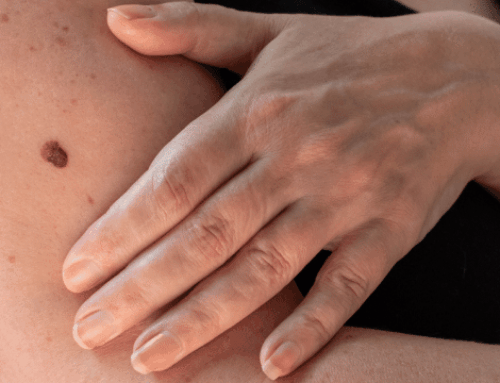
As the summer sun fades over Manhattan and the leaves start turning, many New Yorkers start thinking about repairing the sun spots, uneven tone, and rough texture that a season outdoors can leave behind. Fall is one of the most popular times of year to begin laser skin rejuvenation, and with good reason. At Art of Dermatology at the Laser & Skin Surgery Center of New York, board-certified dermatologist Jessica J. Krant, MD, MPH, FAAD, offers several non-ablative, low-downtime fractionated laser rejuvenation options, including Fraxel Restore®, Fraxel Dual®, Clear + Brilliant laser, and Clear + Brilliant Permea.
This guide explains how each laser works, who it may suit, what recovery typically looks like, and why the cooler months are often the best time to start.
Why Fall and Winter Are the Best Time for Laser Treatments
Fractionated lasers work by creating thousands of microthermal treatment zones (MTZ) in the skin rather than heating all of the skin contiguously. The fractionation of the laser beam allows intact neighboring areas to support safe and rapid healing and decreases the risk of scarring and infection. As the skin heals, it sheds damaged pigment and builds new collagen. During that healing window, treated skin is more sensitive to ultraviolet and visible light, which can raise the risk of irritation or new discoloration.
That is why timing matters:
- Less sun exposure. Shorter days and fewer beach weekends make it easier to protect healing skin. Sun avoidance before and after treatment is an important part of a safe laser plan.
- Time for a full series. Many laser plans involve more than one session spaced several weeks apart. Starting in fall gives you room to complete a series and see results develop through winter, ahead of spring.
- Repairing summer damage. Fall is a natural time to address the sun spots and dullness that show up after summer.
- Easier recovery. Cooler weather, scarves, and more time indoors can make a few days of redness and skin warmth easier to manage.
Sunscreen is still essential in winter. UV rays reach your skin on cloudy days and even reflect off of snow (if it ever snows!), so daily broad-spectrum SPF 30 or higher will remain part of your aftercare plan no matter the season. For more on this, see our post on why sunscreen still matters in winter.
Fraxel Restore: Targeted Resurfacing for Texture and Scars
Fraxel Restore (1927nm) is a non-ablative fractionated laser. Non-ablative means it heats tiny columns of tissue beneath the surface without removing the outer layer of skin. The body responds by replacing damaged cells and producing new collagen.
Fraxel Restore is commonly used to address:
- Fine lines and wrinkles, including around the eyes
- Uneven texture
- Acne scars and surgical scars
- Sun damage
What to Expect
Treatment usually begins with 30 to 60 minutes of topical numbing cream. Most patients notice redness and swelling for a few days, followed by dryness or flaking. Improvement builds over the following months as new collagen forms, and a series of treatments is often recommended for best results. Dr. Krant will tailor the settings and number of sessions to your skin and goals.
Fraxel Dual: Two Wavelengths for Pigment and Texture
Fraxel Dual combines two laser wavelengths in one platform. The 1927 nm wavelength works closer to the surface and is especially helpful for brown spots, sun damage, and dullness. The 1550 nm wavelength reaches deeper to target texture, fine lines, and scarring.
Because Dr. Krant can use one or both wavelengths, Fraxel Dual is highly customizable. It may be a good fit if you are dealing with a combination of concerns, such as sun spots plus uneven texture. Some patients with melasma or actinic keratoses (rough, sun-related precancerous spots) may also be candidates, depending on a medical evaluation.
What to Expect
After Fraxel 1927nm or 1550 nm treatment, patients typically experience a day or two of redness and swelling, followed by about one to two weeks of dryness and peeling. Early results are often visible around one month, with continued improvement over the next few months as new collagen starts to form.
Clear + Brilliant: Gentle Maintenance and Prevention
Clear + Brilliant (1440nm) is a gentler fractionated laser, described by Dr. Krant as a “baby Fraxel.” It treats the skin with lower energy but at the same or similar wavelengths, which means same targets but less downtime. It is a popular choice for younger patients who want to stay ahead of early signs of aging, and for anyone who wants a refreshed look with minimal disruption to work and social plans. It’s also a great choice for anyone who wants to baby step into laser rejuvenation and try a lower power option before potentially stepping up to Fraxel power.
Clear + Brilliant may help with:
- Dullness and uneven tone
- Early fine lines
- The temporary appearance of enlarged pores
- Overall smoothness and glow
What to Expect
Dr. Krant applies topical numbing cream before treatment with all of these lasers. Your skin may look pink for a short time and can feel dry or rough for up to about two weeks as treated cells slough off, but it does not peel in sheets. Results can begin to appear within a week, with fuller results around one month and beyond as new collagen formation is triggered. Because it is gentle, Clear + Brilliant is often done as a series or as periodic maintenance.
Clear + Brilliant Permea: Focused on Pigment and Brightness
Clear + Brilliant Permea uses the 1927 nm wavelength just like the popular Fraxel Restore to target pigmentation and texture concerns closer to the skin’s surface. It may be a good option for patients whose main goals are fading sun spots, evening out tone, and brightening dull skin.
Permea can be used on its own or alternated with the original Clear + Brilliant handpiece, which targets texture. Combining them can address both tone and texture over a treatment series. Like the original, Permea is known for modest downtime, usually brief redness and a few days of a rough, sandpaper-like feel as the skin renews.
Fraxel vs. Clear + Brilliant: Which Laser Is Right for You?
Every patient’s skin is different, so the right choice depends on your concerns, skin type, schedule, and goals. Some patients start with Fraxel to address more significant concerns, then use Clear + Brilliant to help maintain results. Others start with Clear + Brilliant and then graduate to Fraxel when they feel more comfortable and understand the process. For a deeper comparison, see our article on Clear + Brilliant vs. Fraxel Dual for anti-aging, or explore all of our laser rejuvenation treatments in New York.
How to Prepare for Your Fall Laser Treatment
To help your skin get the most from treatment:
- Avoid tanning and heavy sun exposure in the weeks before your appointment, including self-tanners. Unnecessary pigment in the skin both reduces the laser’s effectiveness and increases the risk of scarring or injury.
- Share your full medical history, including medications, a history of cold sores, and any recent skin treatments.
- Follow your pre-treatment skin care instructions, which may include pausing certain active ingredients such as retinoids.
- Plan around your calendar. If you have a big event coming up, schedule your treatment with enough time for redness and dryness to settle.
After treatment, keep skin moisturized, use gentle cleansers, and apply broad-spectrum sunscreen every day. Dr. Krant will give you specific aftercare instructions for your laser and skin type and will have high quality post-laser skin care product options for purchase should you choose to optimize your results.
Frequently Asked Questions
Is Fall really the best time for laser treatments?
For many people, yes. Fall and Winter are best for certain types of rejuvenating laser treatments, but any season can work depending on your lifestyle and preparation. Less intense sun and fewer outdoor plans make it easier to protect healing skin, and starting in fall leaves time to complete a series before spring. That said, some gentle lasers can be performed year-round with careful sun protection.
How many laser sessions will I need?
It varies. One session can provide visible improvement, but many patients benefit from a series spaced several weeks apart. Dr. Krant will recommend a plan based on your concerns and how your skin responds.
Do Fraxel and Clear + Brilliant hurt?
Most patients describe a gentle, warm, prickly sensation. Topical numbing cream is typically applied 30 to 60 minutes beforehand to keep you comfortable.
Can I wear makeup after treatment?
Many patients can return to makeup within a short time, especially after Clear + Brilliant, but timing depends on the treatment and how your skin is healing. Follow the aftercare instructions you receive at your visit.
Are laser treatments safe for all skin types?
Fractionated lasers can be used on many skin types, but settings must be carefully adjusted. An in-person consultation with Dr. Krant is the best way to determine which treatment is appropriate for you. Dr. Krant also offers the PicoSure: FOCUS Alexandrite 755nm wavelength laser for overall facial rejuvenation for deeper skin tones and reduced risk.
Book Your Laser Consultation in Manhattan
If you are ready to refresh your skin this season, the first step is a personalized consultation. Dr. Krant will examine your skin, discuss your goals, and recommend the laser treatment and schedule that fit your needs and lifestyle. Art of Dermatology at the Laser & Skin Surgery Center of New York welcomes patients from across New York City, including Midtown, the Upper East Side, the Upper West Side, and Brooklyn. Schedule a consultation with Dr. Jessica Krant to start your Fall and Winter laser plan.

Jessica Krant, M.D., MPH, is a board-certified dermatologist with specialized experience in cosmetic, laser, surgical, and medical dermatology, but above all, Dr. Krant is most proud to be a caring, comprehensive physician who takes the time to listen and send her patients home with a smile.







Leave A Comment